Types of
space missions
Different missions, one goal: understanding space.
Robotic Missions
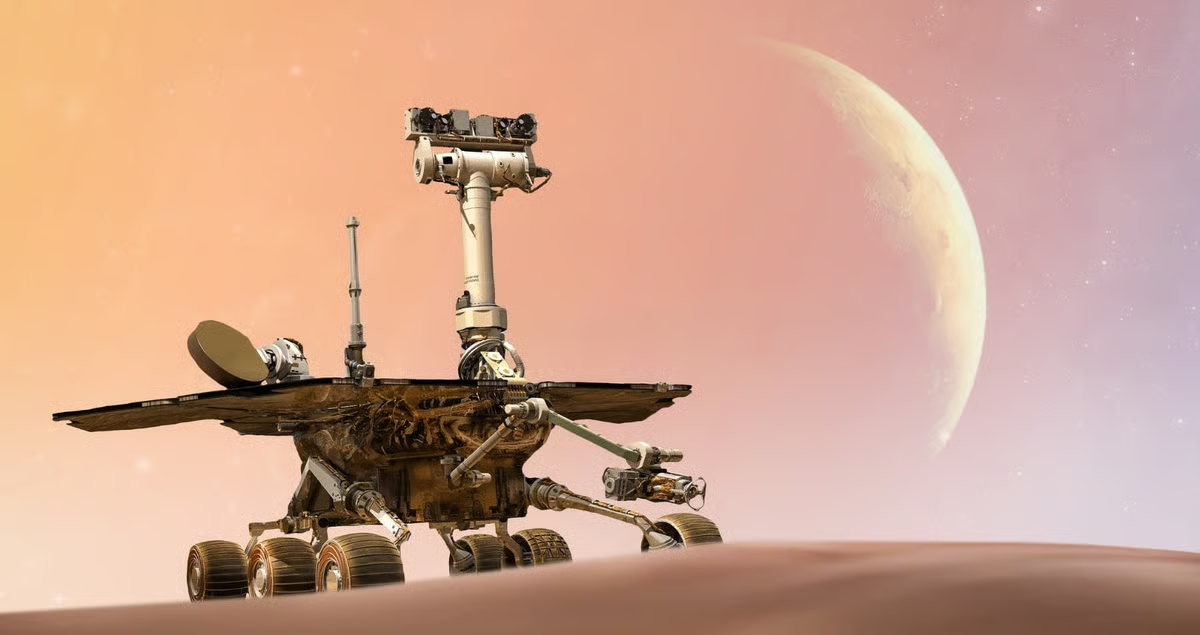
Robotic missions are uncrewed spacecraft designed to explore places that are too dangerous, too far, or too expensive for humans to visit. They collect data, take pictures, analyze soil, study atmospheres, and send all information back to Earth.
- Explore planets, moons, comets, and asteroids
- Test new technologies
- Search for signs of past or present life
- Map surfaces and study climates
- Travel far beyond the Solar System
Famous Missions
- Voyager 1 & 2 – exploring interstellar space
- New Horizons – first mission to Pluto
- Rosetta – landed on a comet
- Parker Solar Probe – touching the Sun’s atmosphere
Human Missions
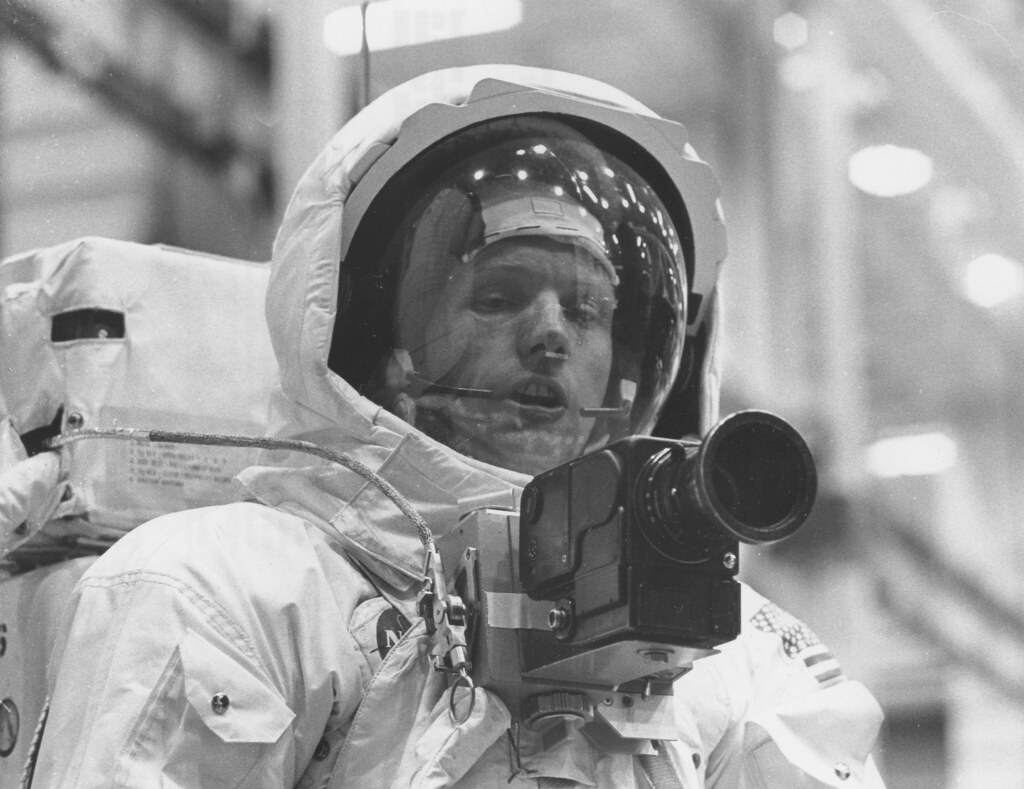
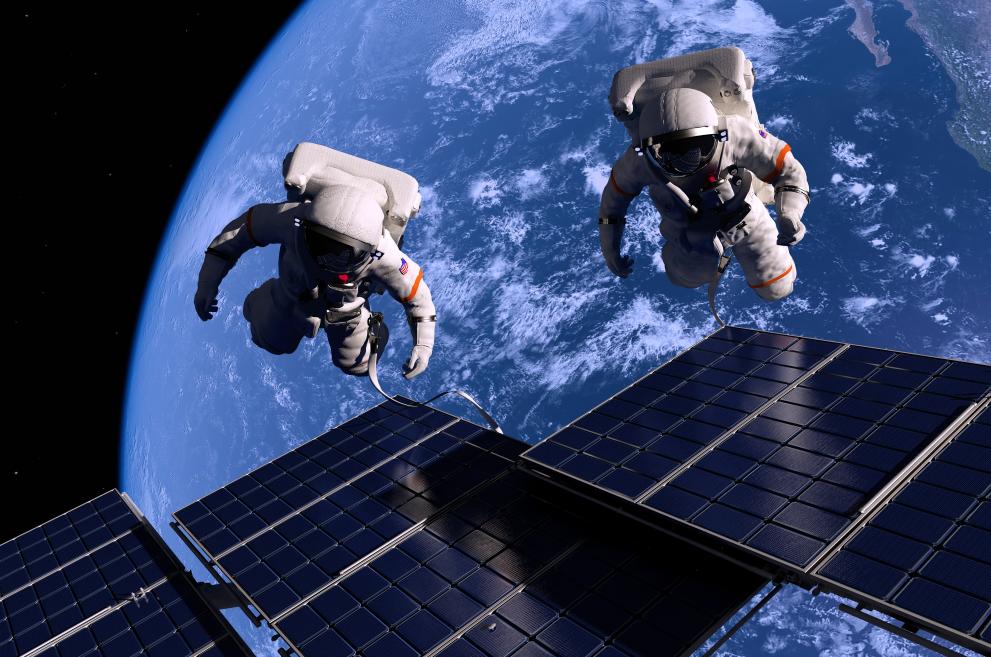
Human missions involve astronauts traveling into space for research, exploration, and maintenance. These missions push the limits of human endurance and help scientists understand how space affects the human body.
- Conduct experiments in microgravity
- Repair satellites and telescopes
- Test life-support systems for future deep-space missions
- Explore the Moon and (soon) Mars
- Build and maintain space stations
Famous Missions
- Apollo 11 – first humans on the Moon
- ISS missions – long-term living in space
- Shuttle missions – deploying and repairing satellites
Orbiters
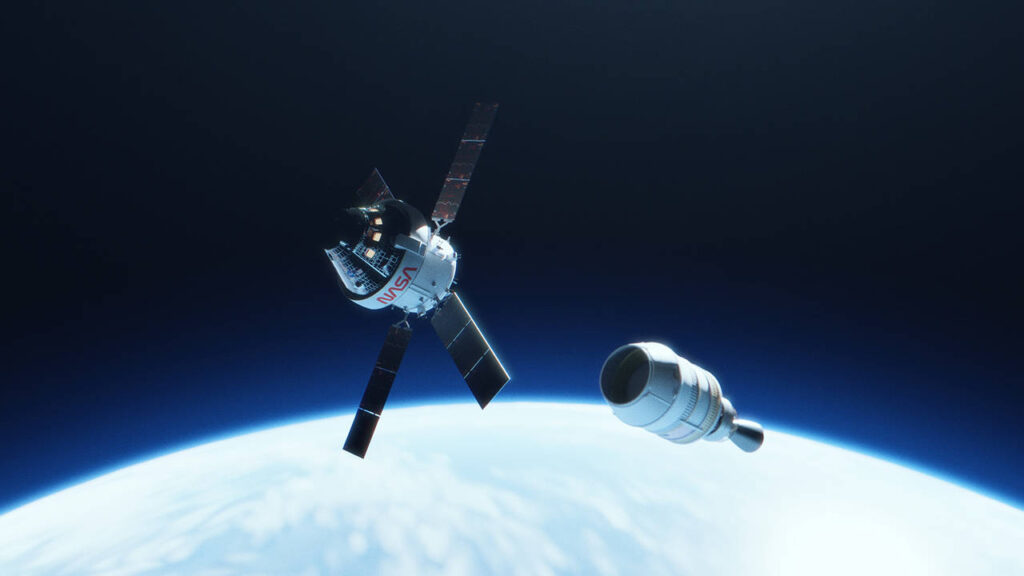
Orbiters are spacecraft that fly around a planet or moon instead of landing on it. They use cameras, sensors, and radar to study surfaces, atmospheres, and magnetic fields
- Map surfaces in high resolution
- Study weather, storms, and climate
- Measure gravity and magnetic fields
- Observe seasonal changes
- Relay communication to rovers and landers
Famous Missions
- Mars Reconnaissance Orbiter (MRO) – maps Mars in amazing detail
- Juno – studies Jupiter’s atmosphere and magnetic field
- Cassini – explored Saturn and its moons